


Read below
For three days, one of Copenhagen's oldest harbour buildings became home to The House of Making: a collective exhibition curated by Gabriel Tan, bringing together Origin Made, Ariake, Ladies & Gentlemen Studio, Parachilna, and Zimmer+Rohde.
For three days this June, one of Copenhagen's oldest harbour buildings held something quite extraordinary. Asia House, built in 1898 as the first headquarters of the East Asiatic Company, a trading institution whose history was built on the movement of fine craft between Asia and Europe, became home to The House of Making: a collective exhibition curated by Gabriel Tan, bringing together Origin Made, Ariake, Ladies & Gentlemen Studio, Parachilna, and Zimmer+Rohde; five independently owned brands from Portugal, Japan, the US, Spain, and Germany, each with a different story and a different craft language, united by a shared conviction that how something is made is inseparable from what it is. Spread across the rooms of Asia House, each brand’s work, from Ariake's Japanese wood craft and Ladies & Gentlemen Studio’s soft lighting, to Parachilna's modern and sculptural lighting and Zimmer+Rohde's exceptional textiles, coexisted with an ease that collective exhibitions do not always manage.
And for us, this year's 3daysofdesign felt different. It was not just the scale of what we brought: Evolution, our 2026 collection, is the most comprehensive we have ever presented, with over 20 new designs spanning furniture, lighting, rugs, and objects. It was the quality of attention that visitors gave it. People came in, sat down, moved through the rooms slowly, picked things up, ran their hands along surfaces, and asked questions. The days were full and rewarding both for the visitors and for us.
Images in this article were taken by Jonathan Anders Hökklo and Ricardo Strecht Calisto

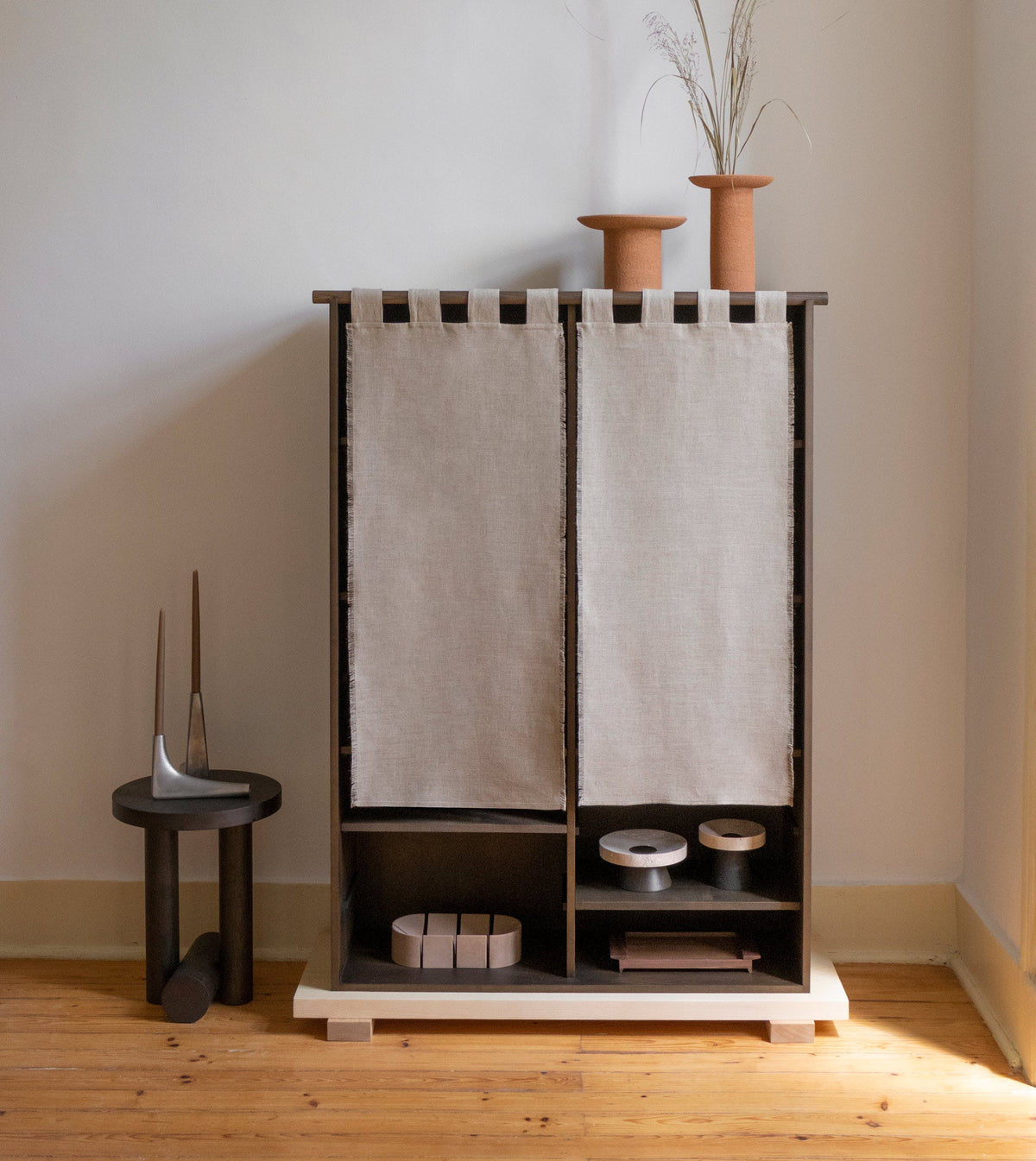
Asia House lent the exhibition a gravitas that an ordinary fair booth cannot. Its dark-panelled rooms, high ceilings, and the quality of light that came through their large windows gave each piece somewhere to breathe and belong. Gabriel Tan’s Louvre Shelves in smoked ash against the traditional wainscoting; the Kanpai Pendant Lamp, a sand-cast aluminium dome designed by Basque designer Ander Lizaso hanging from above, casting its unhurried shadow on our furniture and objects below; the Almada Chair, woven in a new checquerwork of linen straps and paper cord, pulling afternoon light into its surface. The space made the objects make sense.
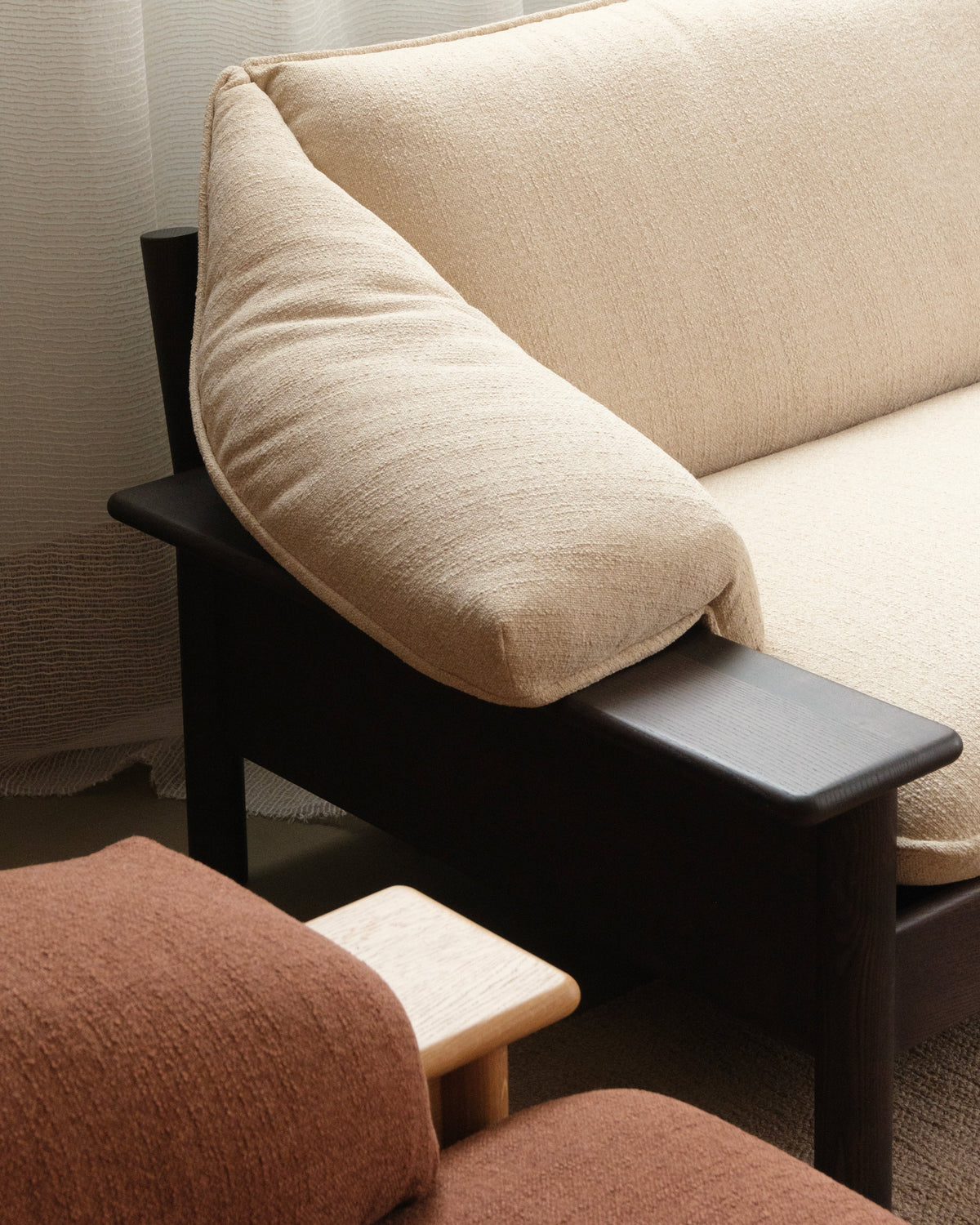
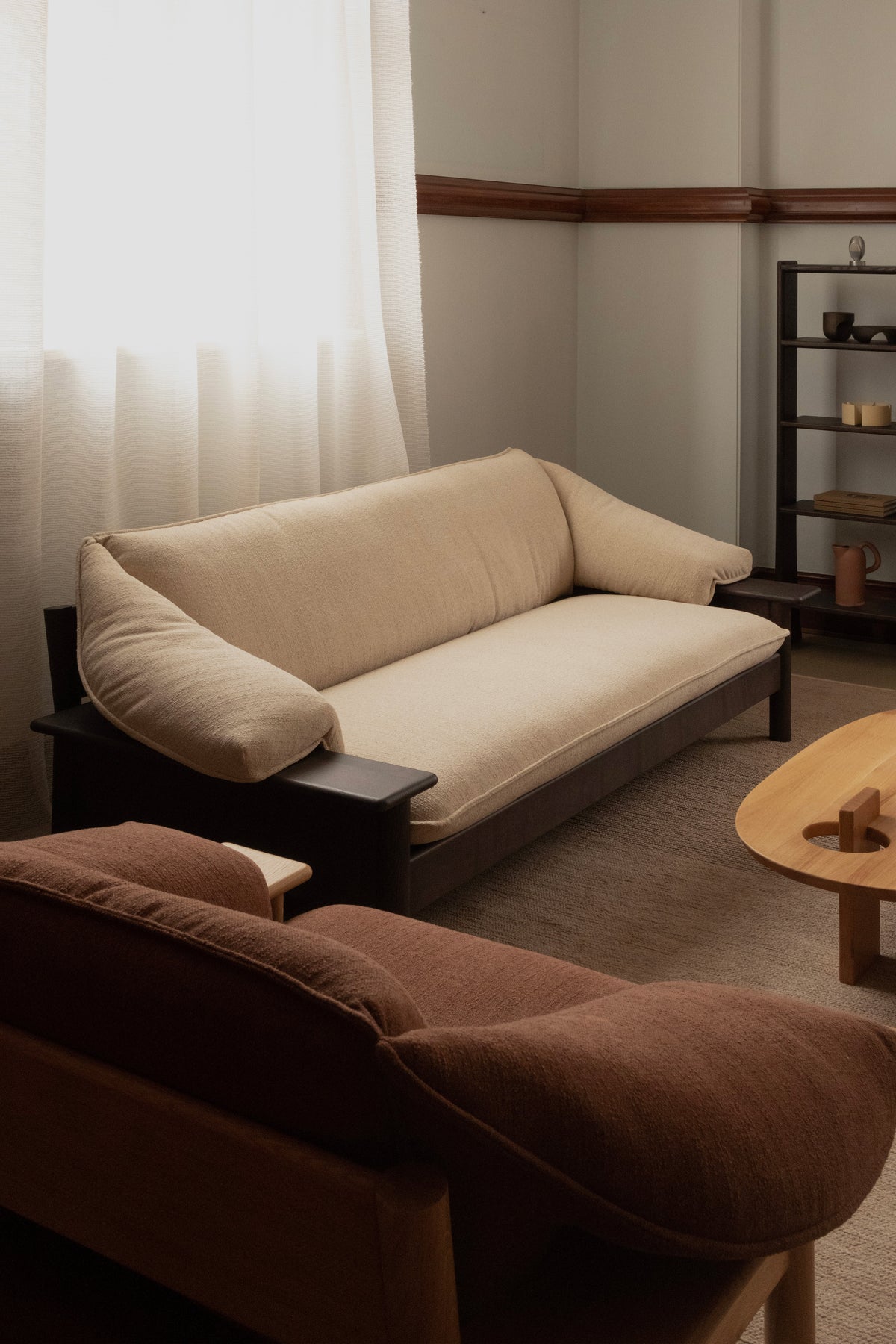
The Mangas Sofa, our first sofa, designed by Uruguayan-Italian designer Matteo Fogale, drew consistent, sustained attention. Its broad, softly curved armrests, upholstered to the same plushness as the seat, not only photographed well but were truly understood when sat on. Visitors did so, and many stayed longer than they expected to, resting their feet and falling into deep conversation, enraptured by the comfort of the sofa and lost in discussion on what they had seen so far at the fair. They also took time to take a closer look at the wood frames of Mangas, noticing the small flat shelf of exposed wood at the end of each armrest that would work well as a resting perch for a glass, a book, or even a laptop.
The Cenote Coffee Table by Falke Svatun, a solid wood table whose three circular cut-outs reveal its legs rising through the surface, was frequently described by visitors as a stunning piece of design: the organic silhouette of the tabletop in tension with its perfectly geometric voids, the grain of the wood softening what could otherwise feel like a graphic exercise, and the slight sense of levitation the piece produces.
Another piece that also generated a great deal of interest was the Almada Chair, designed by Gabriel Tan in close collaboration with weaver Maria Adelina, particularly the new variant combining linen fabric straps with paper cord in a chequered pattern. Many visitors who had previously seen it online remarked on the difference between the photograph and the chair in real life: the density and warmth of the weave, the way the two materials sit against each other, and the sense that you are looking at something that took real time and skill to make.
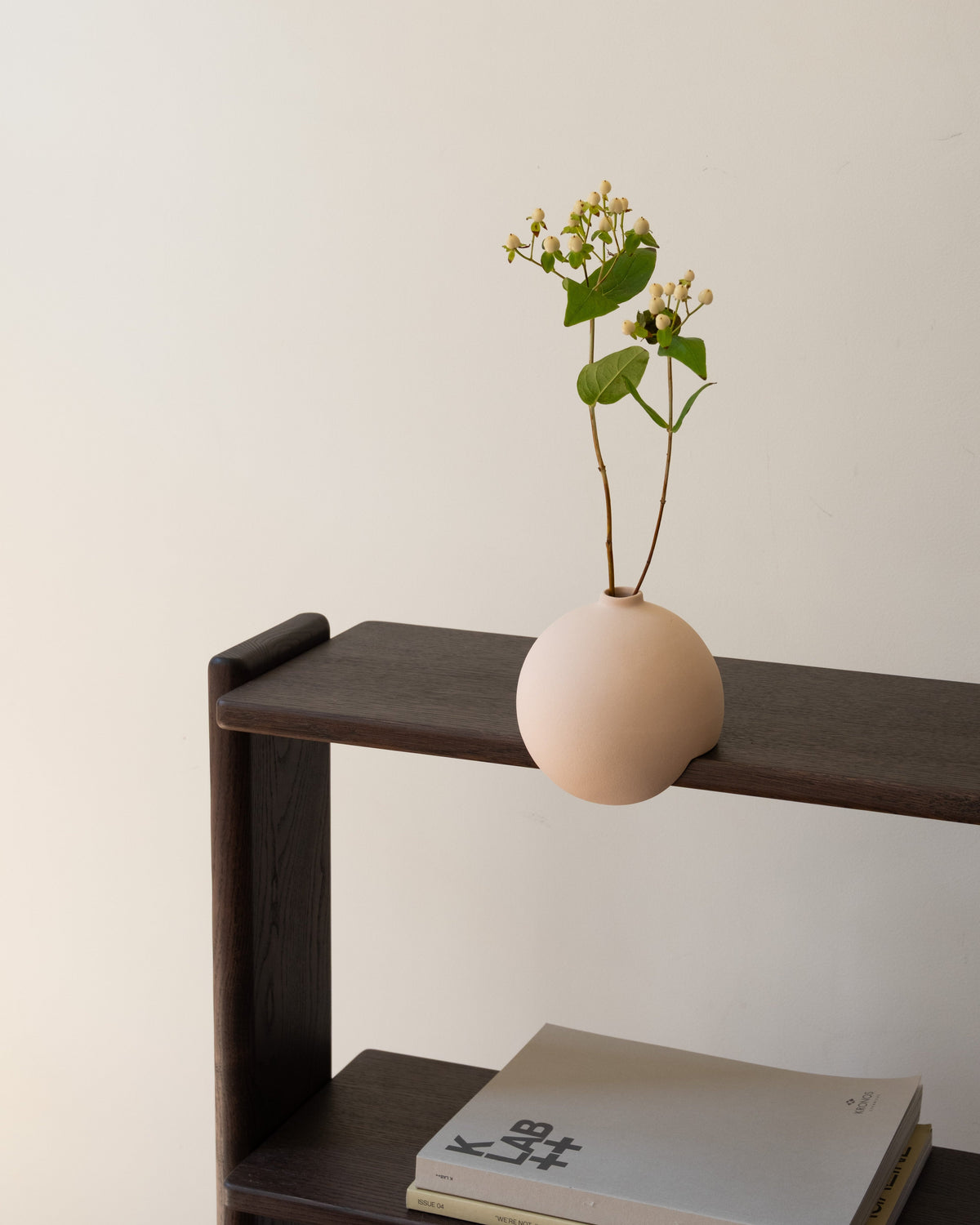
Our ceramic works were also objects of much affection. The Tumble Vase by Falke Svatun, a cream-glazed ceramic balanced with deliberate precision at an edge, produced a reliable double-take: it looked precariously perched but was not. Visitors were also captivated by the fine creases of the Wind Vase by Ruben Costa. The Daiza Pedestals, designed by TORAFU ARCHITECTS and handcrafted in Kagoshima by ceramic artist Yusuke Kido, were another focal point. Glazed with volcanic ash from Sakurajima, their dark, iridescent surface shifted with the light in the room, a quality that several visitors remarked on specifically. People also arranged and rearranged the three pieces intuitively, discovering that stacked, the Daiza Pedestals become something else entirely: a small sculptural totem that was self-contained and rather dramatic as a display object.
The Tsuki, Yumi, and Ei chairs, originally designed by the late Japanese master Yuzuru Yamakawa between 1993 and 1995, and brought into production through Gabriel Tan's careful work of contemporisation, were examined by visitors who knew Yamakawa's name and by those who didn't, with equal interest. They admired the calligraphic quality of the metalwork and the tight, open rattan weave that allowed light to pass through.

Throughout the three days, we shared the stories behind the making: the rattan weavers Linawati, Sukasa, and Tuti from Cirebon, Indonesia, who work entirely by hand from frame to finish; Yusuke Kido in Kagoshima, who started his ceramic practice in a small garage in 2008; António Ferreira, whose decades of furniture-making in Portugal underpin some of our most structurally demanding new pieces; Carlos Freitas, who has been solving lighting construction puzzles since he was twelve. Visitors were consistently interested not as a secondary detail, but as something central to who made Origin Made’s collection.
On the morning of Wednesday 10 June, the The Art of Making” roundtable took place in the central hall of Asia House. Moderated by Susan Clark, Principal Founder of Radnor, the conversation brought together Gabriel Tan (Origin Made), Kengo Kabashima (Ariake), Dylan Davis (Ladies & Gentlemen Studio), Claudio Riera (Parachilna), and Svenja Bernhold (Zimmer+Rohde): five voices with a shared commitment to craft. The central question — how is intention built into the making process, and how much of it survives through to the finished form — moved through material processes, designer-craftsperson relationships, and the particular texture of working across cultures not directly your own. Tea and snacks from Saga, Japan were served, courtesy of Ariake and Saga Collective. The room was full, and the hour passed quickly.
By Sunday afternoon, when The House of Making closed, the rooms had seen a great many people and held a great many conversations. Visitors from across Europe and beyond came by: press, buyers, designers, people who had made a specific trip and people who had found us by chance. The collection had been seen, handled, sat in, and talked about at length.
We are grateful to all who came. Especially to our co-exhibitors Ariake, Origin Made, Parachilna, and Zimmer+Rohde and also Asia House and Est18. And to the DesignSingapore Council, whose support made our presence at 3 Days of Design 2026 possible.
Shop the products
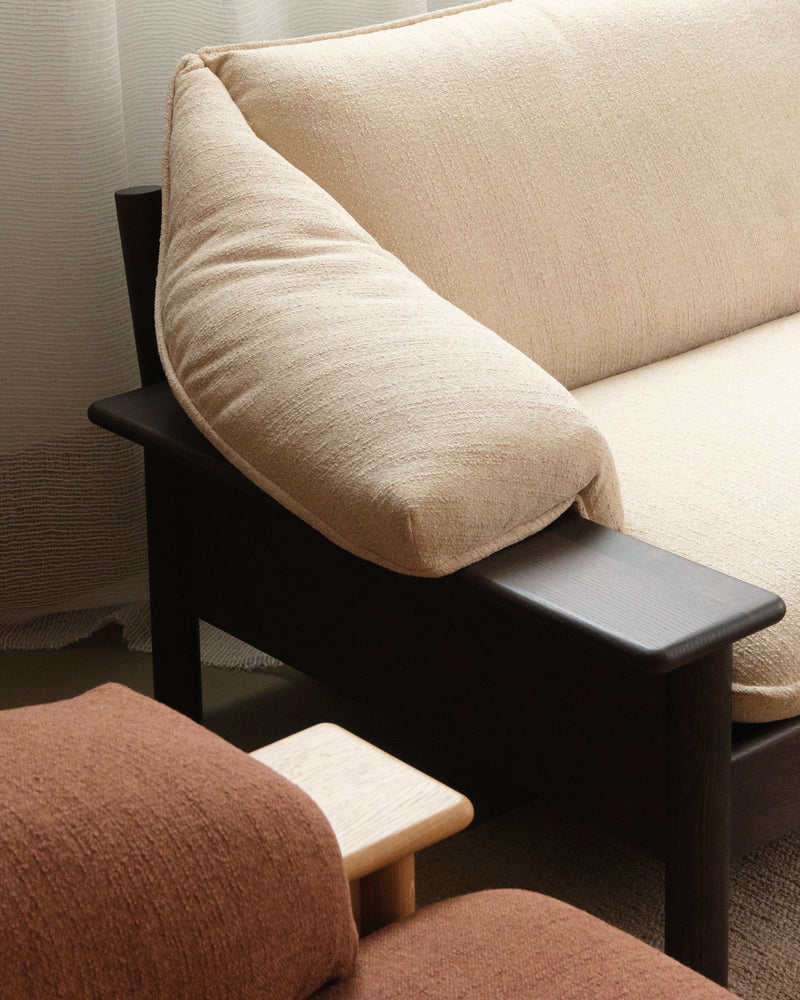
Mangas 3-Seater Sofa
€7.600

Almada Chair
€1.000
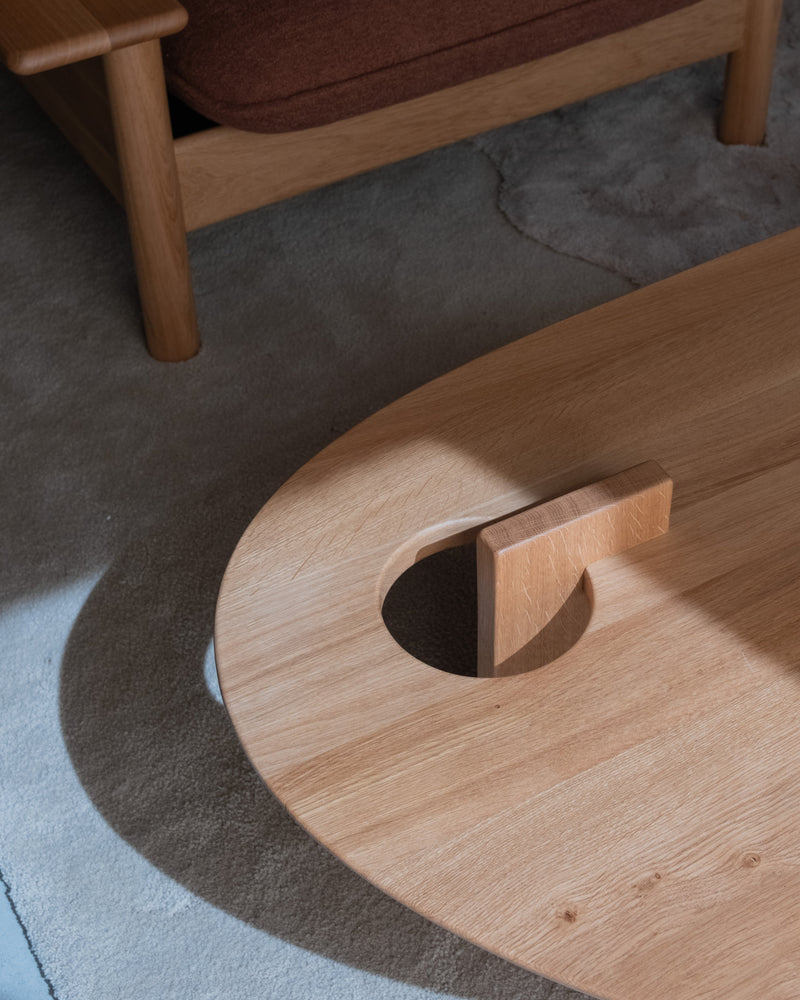
Cenote Coffee Table
€3.600

Louvre Bookshelf
€4.200
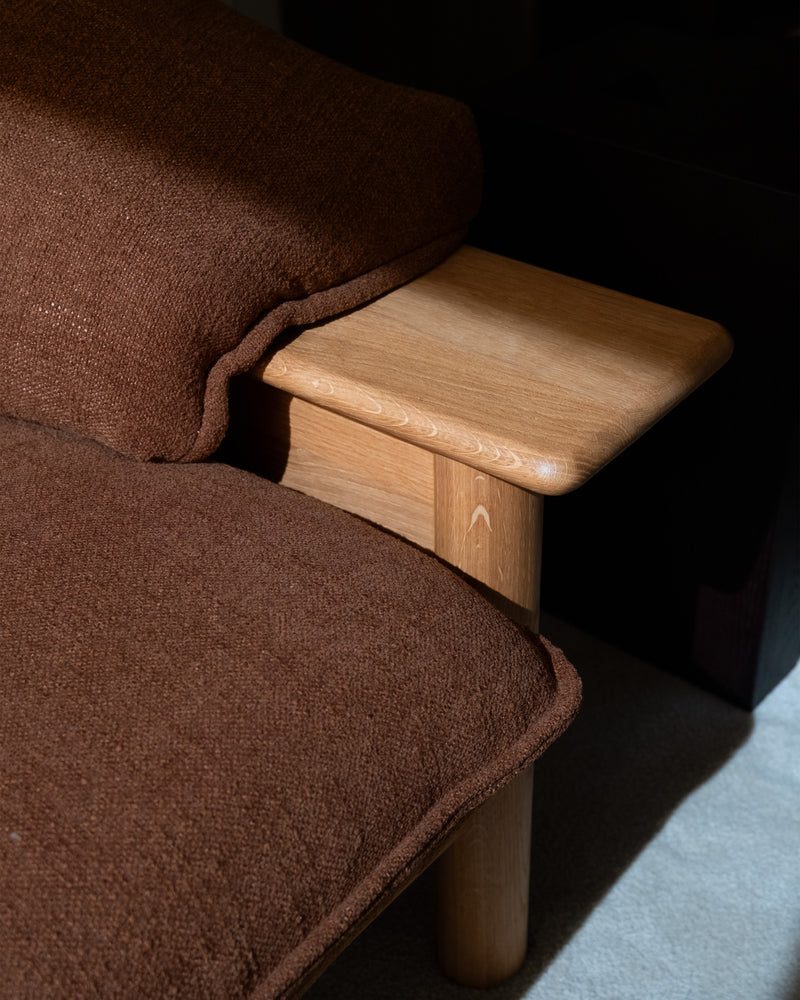
Mangas 1-Seater Sofa
€4.700
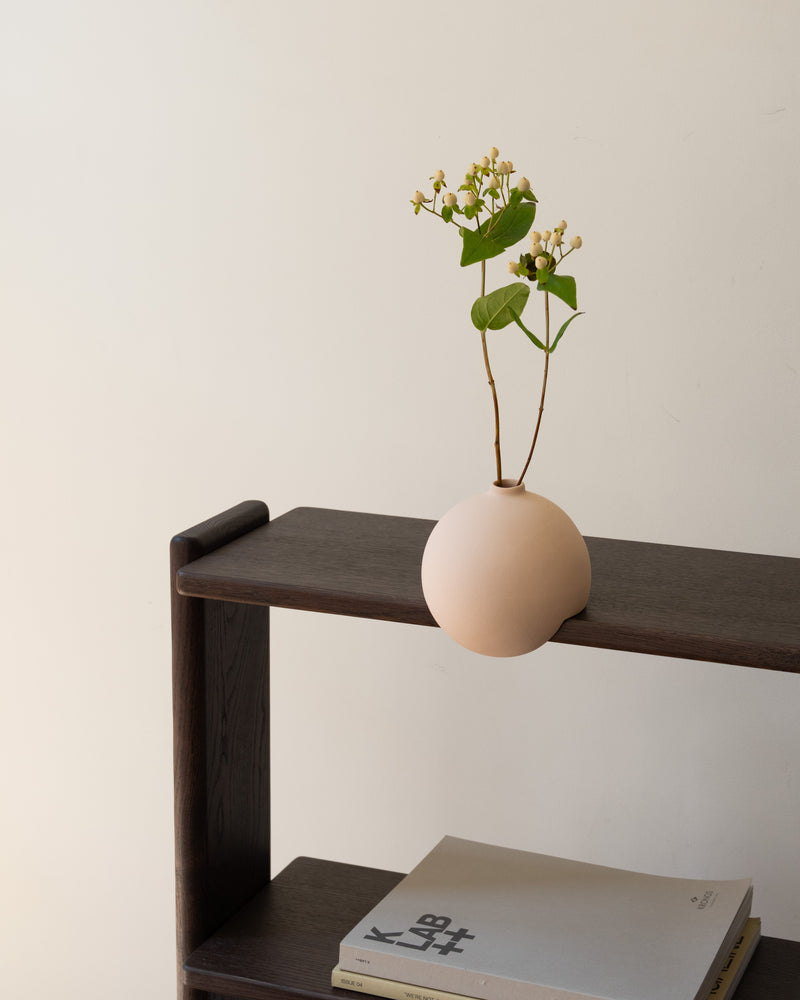
Tumble Vase
€155

Camada Rug
€1.200
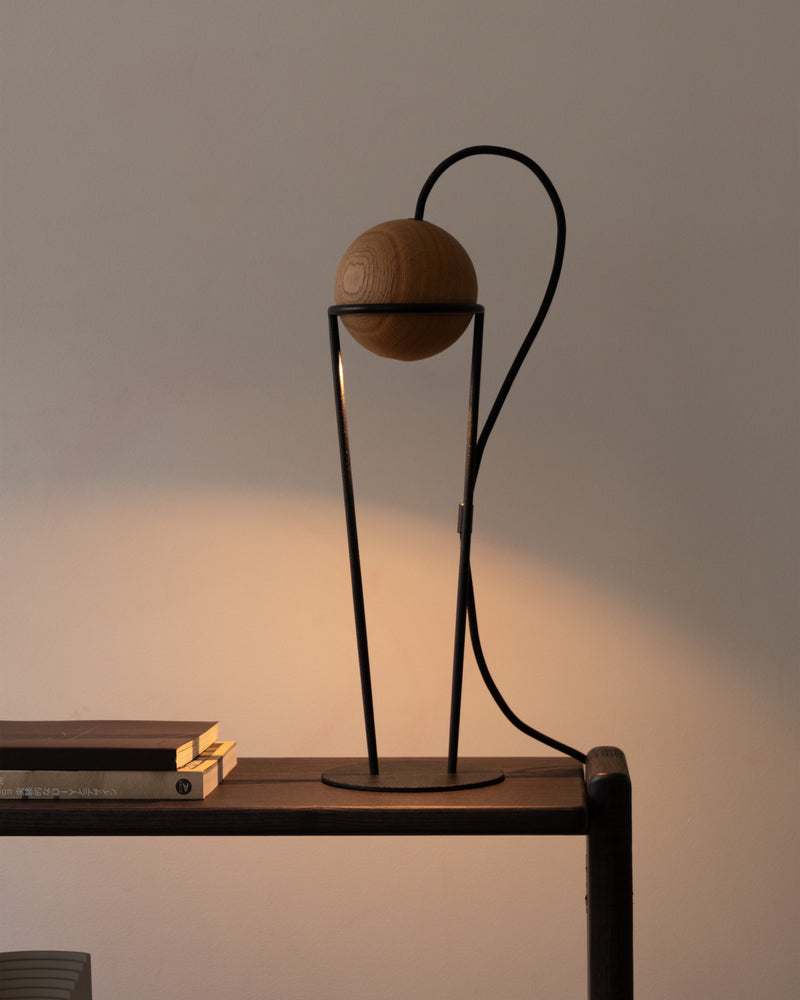
Esfera Table Lamp
€790

Tairu Rug
€1.200
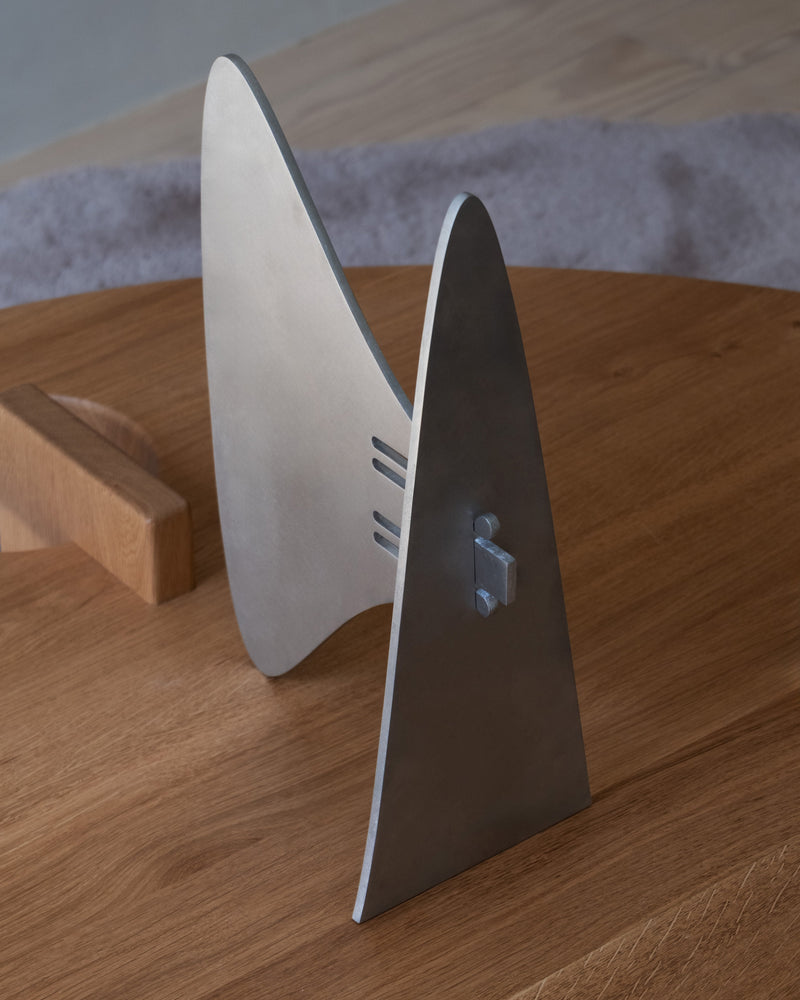
Eixo Sculpture
€475

Platô Rug
€4.200
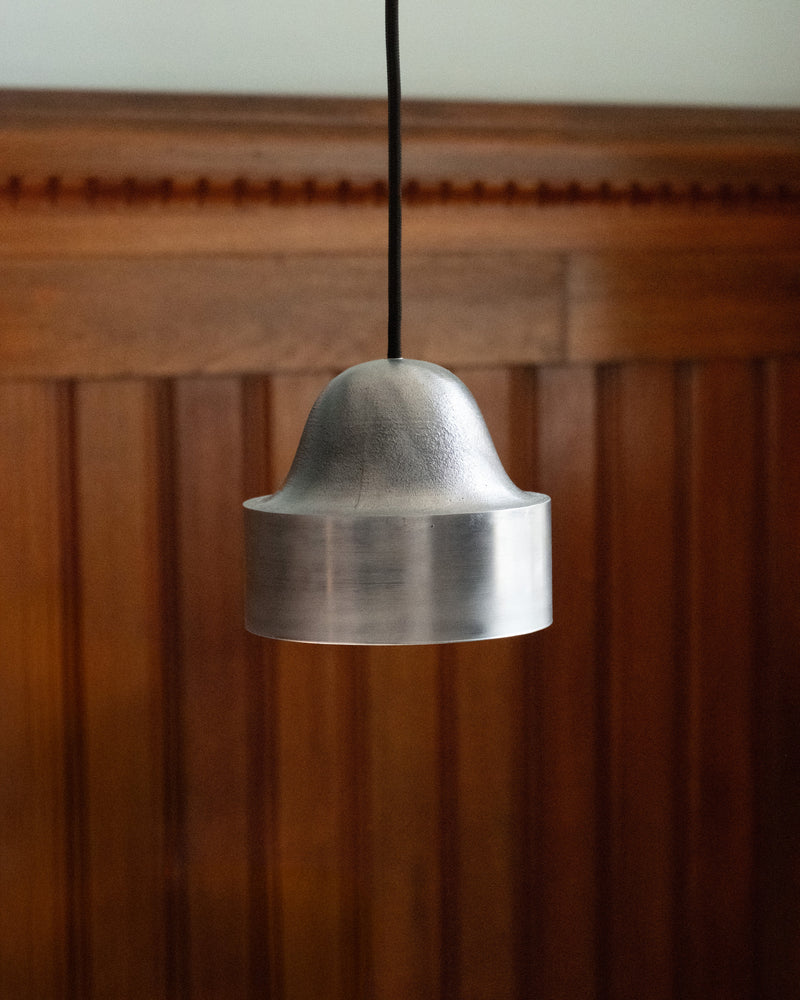
Kanpai Pendant Lamp
€465

Rio Rug
€4.500
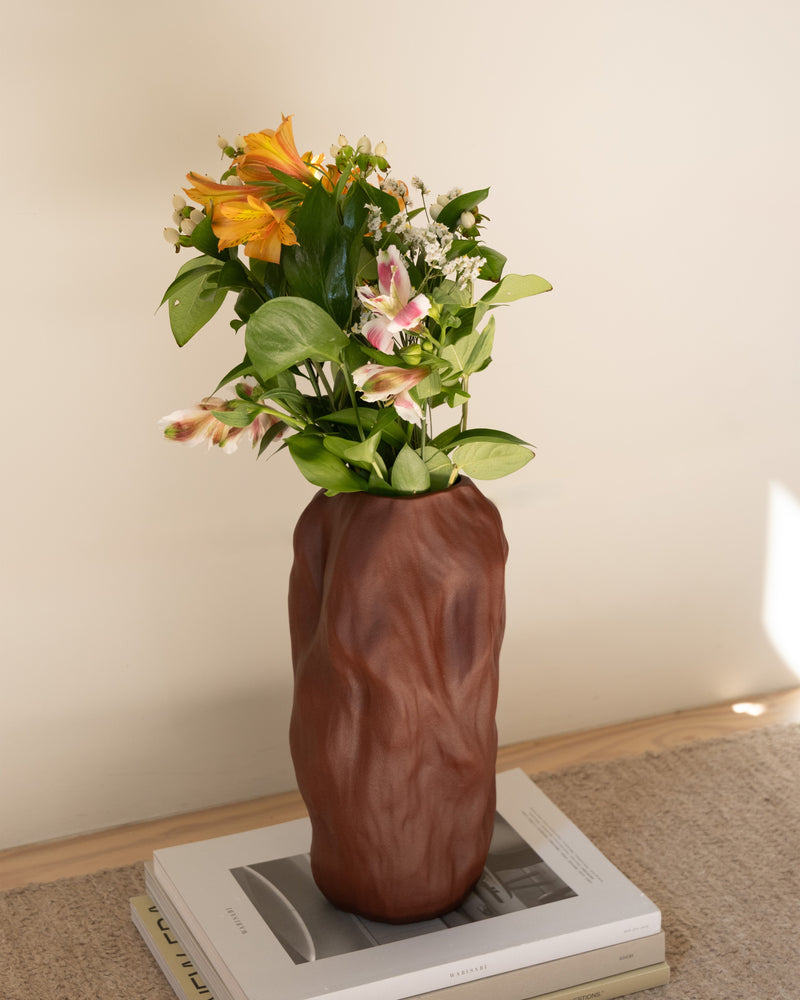
Wind Vase
€350

Reta Rug
€1.200
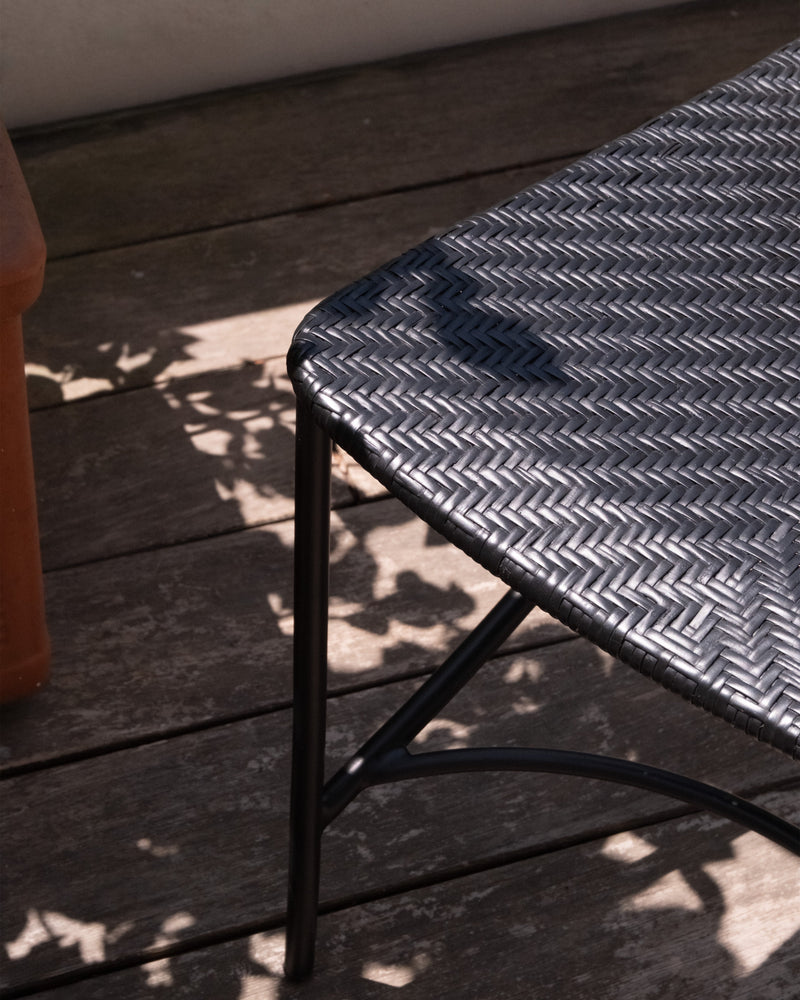
Yumi Chair
€750
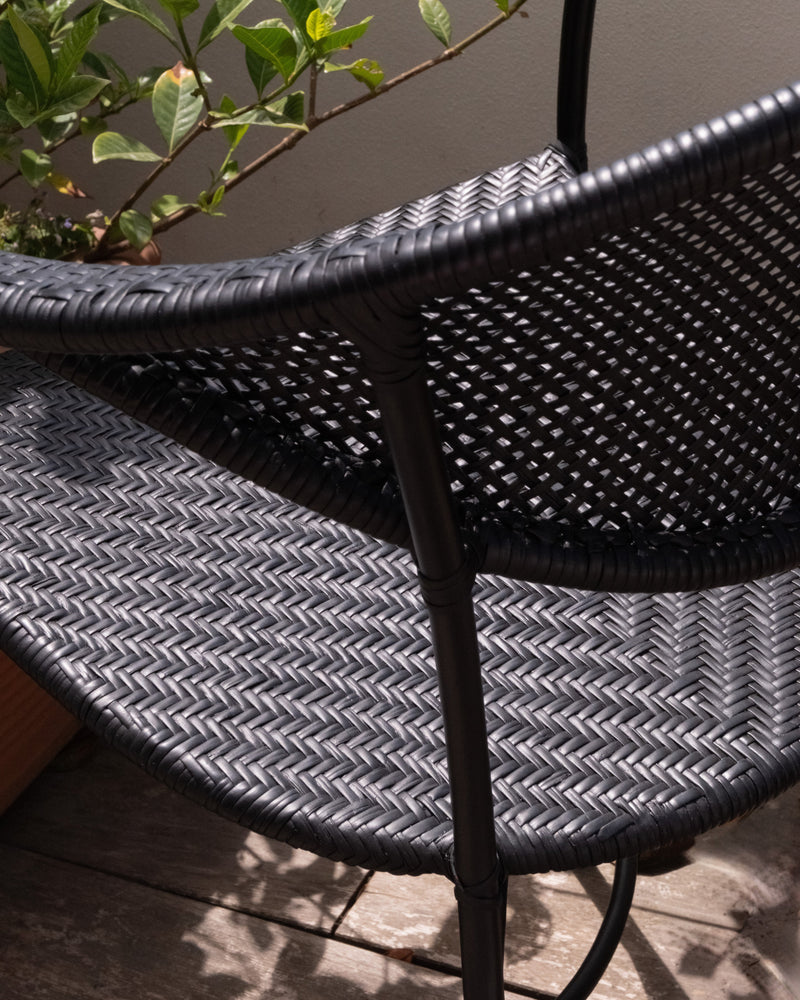
Ei Chair
€750
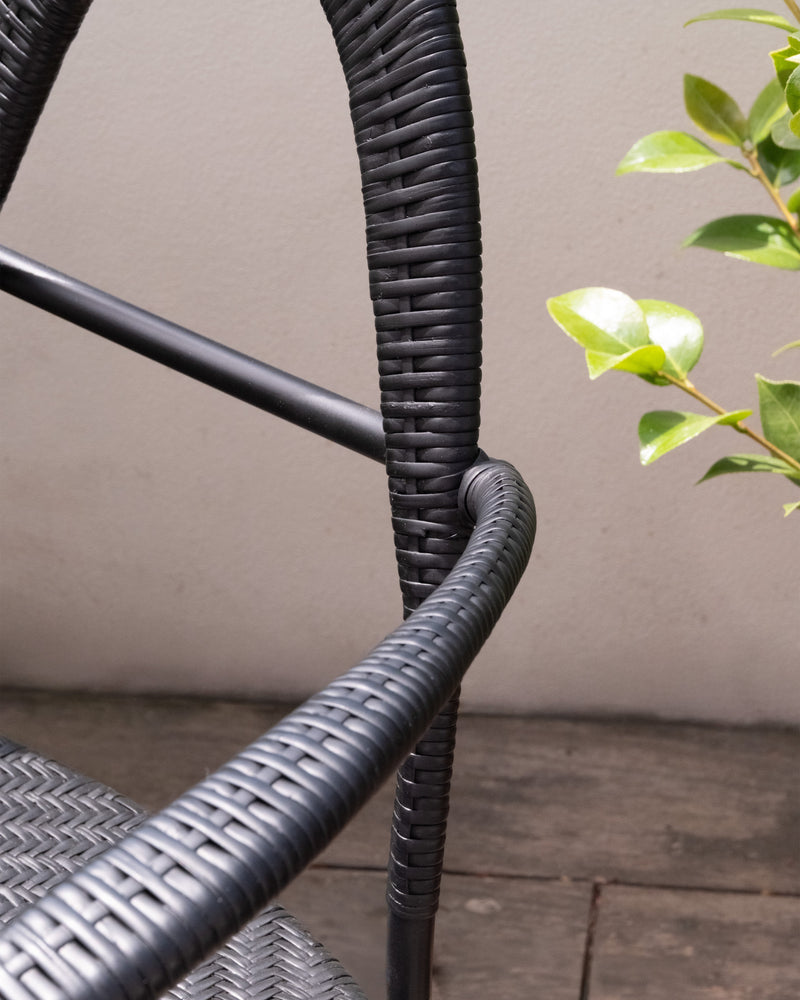
Tsuki Chair
€750
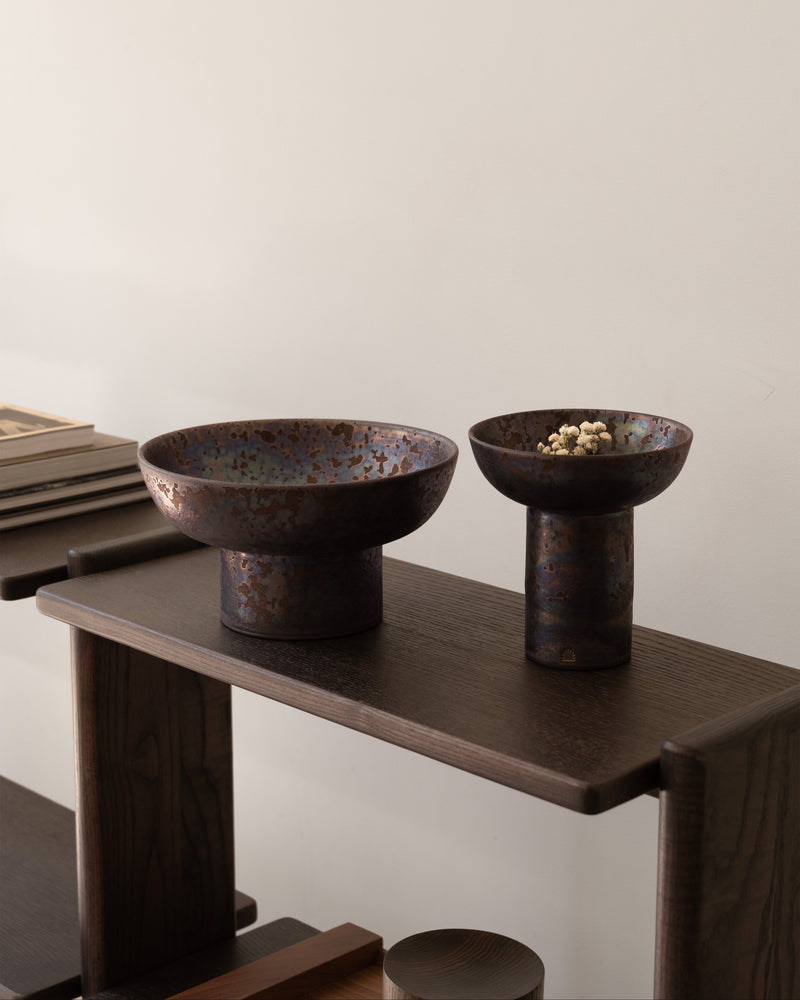
Daiza Pedestals
€240
Your cart is currently empty.
Not sure where to start?
Try these collections: